The Room for Trial and Error
I’m genuinely glad the road schedule has been scaled back for wrestlers in major North American companies. The grind was brutal, and the wear and tear were real.
But the trade-off is something we do not talk about enough.
House shows were, as I like to put it, the lab. There were lower stakes, fewer eyes and no commercial breaks to hit. No hard outs, just putting in your reps. Wrestlers experiment, test pacing, stretch a character, or throw something at the wall and see if it sticks. If it bombed in front of 3,000 people, it was fine. It represented live feedback, learning, and the next town.
Now everything is filmed and archived, which has undeniable benefits. Every choice can be dissected online within minutes. Performers are expected to be fully formed at all times, and that pressure might create consistency, but I also feel it absolutely limits risk. I'm personally a firm believer that risk is where growth lives.
And before I go any further, I’m certainly not suggesting 250 days on the road should return, as it wasn’t sustainable, and I’m relieved those days are a thing of the past.
When Wrestling Felt Personal
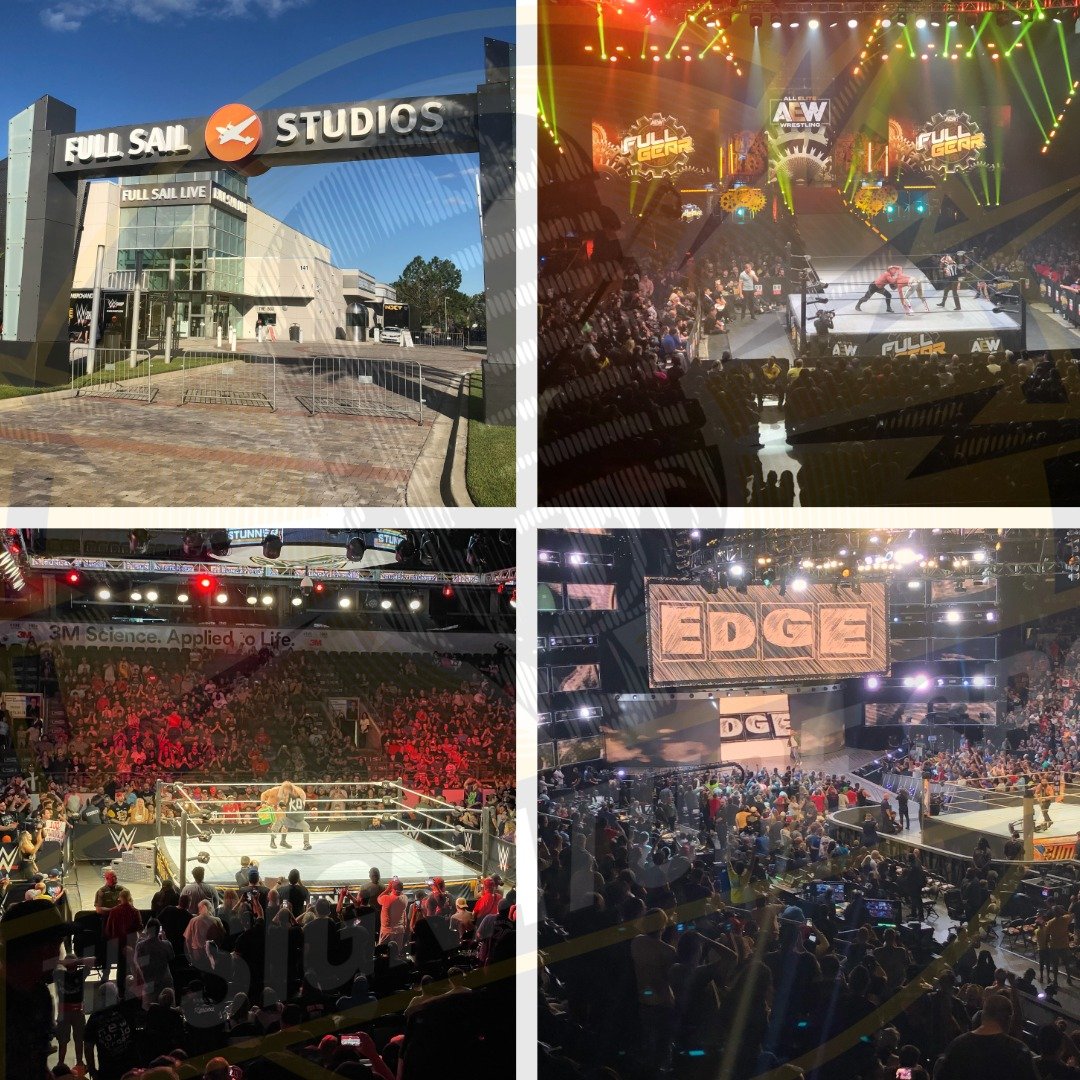
There’s a difference between a house show in a 3,000-seat arena and a televised event in a 15,000-seat building surrounded by production trucks.
House shows felt a lot more human.
Sure, they still exist, but more as a rarity supporting holidays or international tours.
While wrestlers continue to engage and interact at televised events, they lean into crowd reactions at house shows. They stayed late for autographs, the presentation was minimal, and the connection felt strong. It felt less like a broadcast and more like a travelling attraction rolling through town for one night only.
For kids, especially, those shows mattered. I can attest to this growing up. They were affordable and much more accessible. A kid could actually feel seen by their hero in a way that’s nearly impossible in the scope of a massive TV production.
Hell, I got to see “Macho Man" Randy Savage live when I was 6, and it was life-changing for a young Chris, as he was the first wrestler I had ever been drawn to, just a few years prior.
Those memories stick with you for life.
Why the Numbers Won
I get why house shows have declined.
Fewer dates = bigger gates.
Media rights, Premium Live Events, and streaming deals with platforms like Peacock and Netflix. It makes sense on a spreadsheet, and frankly, the revenue model shifted entirely. When you can monetize content globally without flying talent to Peoria on a Tuesday, the math changes pretty damn quickly.
COVID sped that up. House shows paused, and companies realized they didn't need them to survive. In some cases, they thrived without them.
But what gets lost in that math is long-term fandom.
Those smaller shows built regional loyalty. They turned casual fans into lifers. They made wrestling feel like it belonged to your town, not just your screen. A town might see the same storyline evolve over months, live and in person. That experience created an emotional investment you can't replicate with highlights on social media.
Watching at home is convenient, but it does not replace the feeling of being in the building and hearing wrestlers bump in the ring. No YouTube clip captures that.
What Gets Lost Along the Way
Today's wrestlers in major organizations seem to have a better quality of life, and this is great to hear. Long overdue, by the way.
But they also get fewer live reps, less freedom to find their voice away from television pressure, and fewer chances to work through character development. Everything needs to land immediately and be polished.
And here's something we don't talk about enough: they get fewer nights learning directly from veterans.
John Cena has spoken about how much he learned working house show loops with Eddie Guerrero. Night after night, same match, different crowd. That repetition with a master like Eddie taught him things no backstage conversation or one-off TV segment ever could. Pacing, psychology, how to read the audience, when to speed up or slow down. You have to live it.
I love the spectacle. I've been to countless televised shows and major events for multiple promotions over the last 20 years. The bright lights are fun as hell, and being part of the production is exciting.
But I miss the smaller rooms, particularly for major organizations.
I miss affordable tickets, stripped-down presentation, and wrestlers experimenting in real time. I miss the version of wrestling that felt close, almost imperfect, and alive.
Thankfully, many independent promotions fill this void, but this post is about the major organizations.
The question isn't whether modern wrestling is better or worse. It's whether the industry can find new ways to recreate those developmental and community spaces we quietly left behind, or if we've simply accepted their absence.